"Should I invest in a website or just stick with social media?" That's a question we hear often from small business owners. The short answer is: you need both. They complement each other and serve different purposes in your online strategy.
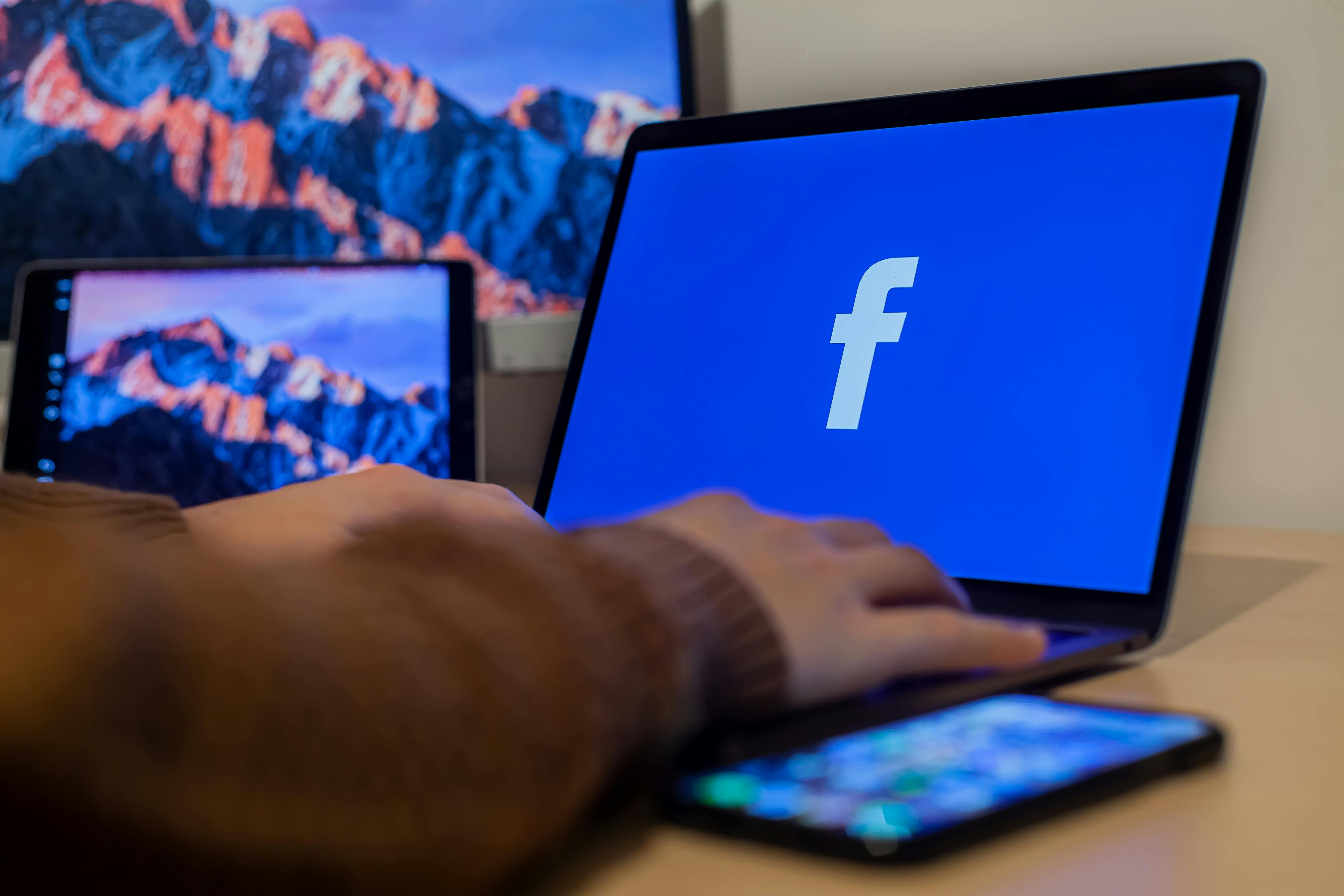
For many small businesses, social media feels like the easiest starting point. A profile is quick to set up, familiar to customers, and gives the impression of instant visibility. Posting a photo or short update can bring likes and comments within minutes. But visibility alone is not the same as trust or clarity. A like is not yet a customer.
Roughly 70% of consumers trust a business more when it has a professional website compared to just a social media profile. A website provides credibility that social media alone cannot match.
Social platforms are rented space
Social media platforms are useful, but they are not owned by your business. Algorithms decide who sees your posts, rules change without notice, and accounts can be limited or removed. Over time, many businesses notice that their reach drops unless they pay to promote posts. You're building on someone else's land.
A professional website works differently. It's a stable place that you control. The structure, content, and contact options remain consistent. Search engines can index it properly, meaning people can find you through Google even when you're not actively posting on social media. It's your own digital home base.
The difference at a glance
| Social Media | Website |
|---|---|
| Rented space (Meta, LinkedIn, etc.) | Your own domain, full control |
| Algorithm determines reach | Findable via Google (SEO) |
| Fleeting, quick scrolling | In-depth information, calm environment |
| Limited options for structure | Fully customizable to your services |
| Good for daily interaction | Good for trust, detail, and contact |
A website answers the serious questions
Visitors who click through from social media often have intent. They're no longer just scrolling — they're seriously considering using your service. They want confirmation that you're reliable and professional. A clear website helps them answer practical questions before they contact you:
- What exactly are your services?
- In which area do you work?
- What does it approximately cost?
- How does the process work?
- Are there reviews or examples?
This reduces back-and-forth messages and saves time for both sides. It also filters out people who aren't a good fit — often overlooked, but extremely valuable. Fewer, but better leads.
Social media brings attention, the website gives structure
A healthy approach uses both channels for what they're good at:
Social media is ideal for short updates, showing personality, quick proof of activity, and daily interaction with followers. It's the place to make people curious.
The website is where everything is organized: services, examples, frequently asked questions, detailed explanations, and a clear way to get in touch. It's the place where interested visitors find all the information they need to make a decision.
For small businesses, this combination creates a simple and reliable path from discovery (social media) to decision (website).
Make sure your social media profiles always have a clear link to your website, and that your website links back to your social channels. This way, they work together and strengthen each other.
- Use social media for visibility, short updates, and daily communication
- Consistently link to your website for services, details, and contact
- Keep the website simple, clear, and easy to navigate
- Add useful content that answers questions people search for in Google
- Share blog articles like this one on social media to provide extra value
The goal isn't to be everywhere or to post constantly. The goal is clarity and findability — one stable place (your website) where people can understand your business and confidently take the next step, complemented by social media to attract attention and maintain relationships.
There's now a third place customers find businesses: AI assistants. When someone asks ChatGPT for a recommendation, they get a shortlist of three names — and your social profile isn't on it. We covered how that works in AEO vs GEO vs SEO.
Quick answers
Yes. Social media and a website serve different purposes — social platforms are rented space controlled by algorithms you don't own, while a website is a stable, fully owned place that search engines can index, meaning people can find you on Google even when you're not actively posting.
Research shows roughly 70% of consumers trust a business more when it has a professional website compared to only a social media profile. A website provides a level of credibility, structure, and permanence that a social feed alone cannot match.
Social media platforms are not owned by your business. Algorithms decide who sees your posts, rules change without notice, and accounts can be limited or removed — meaning your entire online presence depends on a platform you don't control.
Ready for a strong online presence?
We build websites that work perfectly alongside your social media — clear, fast, and built to convert visitors into contacts.